




















 verantwortlich und hat



 Wenn es noch Mysterien im Rock-Business gibt, dann sind


Das wird in dieser Allgemeinheit jede und jeder unterschreiben können, nur ist damit natürlich noch nichts gesagt.Wenn Kommunismus das Gemeinschaftliche betont und der Liberalismus den einzelnen, dann wollte Rosa Luxemburg beides zugleich – höchstmögliche Gemeinschaftlichkeit bei der Kontrolle darüber, daß Eigentum und Macht im Interesse aller gebraucht werden, und größtmögliche Freiheit individueller Entfaltung, radikaler Kritik und Öffentlichkeit. Eine Gesellschaft ohne Freiheit wäre für sie nur ein neues Gefängnis gewesen, so wie ihr eine Gesellschaft ohne Gleichheit immer nur eine Ausbeutergesellschaft war. (…)
Das zwanzigste Jahrhundert war durch Perioden der Entfesselung des Kapitalismus und seines Übergangs in offene Barbarei und durch Perioden seiner Zähmung und des Entstehens von – letztlich noch einmal scheiternden – Gegenentwürfen gekennzeichnet. Gerade jetzt vollendet sich die Ausdehnung des Kapitalismus. Er stößt damit an die Grenzen der irdischen Natur. Die Ressourcenökonomie muß über die Kapitalakkumulation siegen, wenn es nicht zur ökologischen Katastrophe kommen soll. Genauso müssen aber auch die sozialen Rechte von bald sieben bis acht Milliarden Menschen dominieren über die Verwertungsinteressen transnationaler Konzerne. Einer Welt, die privilegierte Zentren herausbildet, sich in Festungen einmauert und globale Unsicherheit verursacht, werden wir nur entkommen, wenn sich Zusammenarbeit und gemeinsame Entwicklung durchsetzen.
Archäologie CVXVVXXI: Joni Mitchell - Don Juan's Reckless Daughter (1977)
Wiederentdeckt: Ein einmaliges Album, unbedingt unter all time greatest zu listen. Mit einer unglaublichen Besetzung - allen voran Jaco Pastorius, über dessen fließenden, z.T. mehrfach gedubbten Basslinien filigran-transparent treibende Gitarren und Joni Mitchells Gesang schweben: Hören sie mal, wie sie I didn't know I drank such a lot Till I pissed a tequila anaconda The full length of the parking lot! singt! ... (ich kann Musik nicht so gut in Worte fassen*). The musical compositions are beautiful, incorporating jazz and world beat sounds from some of the travels about which she sings. The lyrics are tight and equally poignant now as they were then...
Zum Beispiel mein Lieblingslied von der Doppel-LP:
Talk To Me
There was a moon and a street lamp
I didn't know I drank such a lot
Till I pissed a tequila anaconda
The full length of the parking lot!
Oh I talk too loose
Again I talk too open and free
I pay a high price for my open talking
Like you do for your silent mystery
Come and talk to me
Please talk to me
Talk to me talk to me
Mr. Mystery
We could talk about Martha
We could talk about landscapes
I'm not above gossip
But I'll sit on a secret where honor is at stake
Or we could talk about power
About Jesus and Hitler and Howard Hughes
Or Charlie Chaplin's movies
Or Bergman's nordic blues
Please just talk to me
Any old theme you choose
Just come and talk to me
Mr. Mystery talk to me
You could talk like a fool I'd listen
You could talk like a sage
Anyway the best of my mind
All goes down on the strings and the page
That mind picks up all these pictures
It still gets my feet up to dance
Even though it's covered with keyloids
From the "slings and arrows of outrageous romance"
I stole that from Willy the Shake
You know - "Neither a borrower nor a lender be"
Romeo Romeo talk to me
Is your silence that golden?
Are you comfortable in it?
Is it the key to your freedom
Or is it the bars on your prison?
Are you gagged by your ribbons?
Are you really exclusive or just miserly?
You spend every sentence as if it was marked currency
Come and spend some on me
Shut me up and talk to me
I'm always talking
Chicken squawking
Please talk to me
© 1976; Crazy Crow Music
Wiki says: Most experimental of all is "Paprika Plains," a 16-minute song played on improvised piano and arranged with a full orchestra; it takes up all of Side 2. In it, Mitchell narrates a first-person description of a late-night gathering in a bar frequented by American Indians, touching on themes of hopelessness and alcoholism. At one point in the narrative, the narrator leaves the setting and enters into a dreamstate, and the lyrics become a mixture of references to innocent childhood memories, a nuclear explosion and an expressionless tribe gazing upon the dreamer. In speaking to Anthony Fawcett about working on "Paprika Plains," Mitchell said:
* Musik in Worte gefasst: Pat Blashill: Wie ich als Rockkritiker lernte, die Klassik zu lieben - und zu fürchten.
Zum Beispiel mein Lieblingslied von der Doppel-LP:
Talk To Me
There was a moon and a street lamp
I didn't know I drank such a lot
Till I pissed a tequila anaconda
The full length of the parking lot!
Oh I talk too loose
Again I talk too open and free
I pay a high price for my open talking
Like you do for your silent mystery
Come and talk to me
Please talk to me
Talk to me talk to me
Mr. Mystery
We could talk about Martha
We could talk about landscapes
I'm not above gossip
But I'll sit on a secret where honor is at stake
Or we could talk about power
About Jesus and Hitler and Howard Hughes
Or Charlie Chaplin's movies
Or Bergman's nordic blues
Please just talk to me
Any old theme you choose
Just come and talk to me
Mr. Mystery talk to me
You could talk like a fool I'd listen
You could talk like a sage
Anyway the best of my mind
All goes down on the strings and the page
That mind picks up all these pictures
It still gets my feet up to dance
Even though it's covered with keyloids
From the "slings and arrows of outrageous romance"
I stole that from Willy the Shake
You know - "Neither a borrower nor a lender be"
Romeo Romeo talk to me
Is your silence that golden?
Are you comfortable in it?
Is it the key to your freedom
Or is it the bars on your prison?
Are you gagged by your ribbons?
Are you really exclusive or just miserly?
You spend every sentence as if it was marked currency
Come and spend some on me
Shut me up and talk to me
I'm always talking
Chicken squawking
Please talk to me
© 1976; Crazy Crow Music
Wiki says: Most experimental of all is "Paprika Plains," a 16-minute song played on improvised piano and arranged with a full orchestra; it takes up all of Side 2. In it, Mitchell narrates a first-person description of a late-night gathering in a bar frequented by American Indians, touching on themes of hopelessness and alcoholism. At one point in the narrative, the narrator leaves the setting and enters into a dreamstate, and the lyrics become a mixture of references to innocent childhood memories, a nuclear explosion and an expressionless tribe gazing upon the dreamer. In speaking to Anthony Fawcett about working on "Paprika Plains," Mitchell said:
- "The Improvisational, the spontaneous aspect of this creative process - still as a poet - is to set words to the music, which is a hammer and chisel process. Sometimes it flows, but a lot of times it's blocked by concept. And if you're writing free consciousness - which I do once in a while just to remind myself that I can, you know, because I'm fitting little pieces of this puzzle together - the end result must flow as if it was spoken for the first time."
* Musik in Worte gefasst: Pat Blashill: Wie ich als Rockkritiker lernte, die Klassik zu lieben - und zu fürchten.
gebattmer - 2011/02/04 19:52
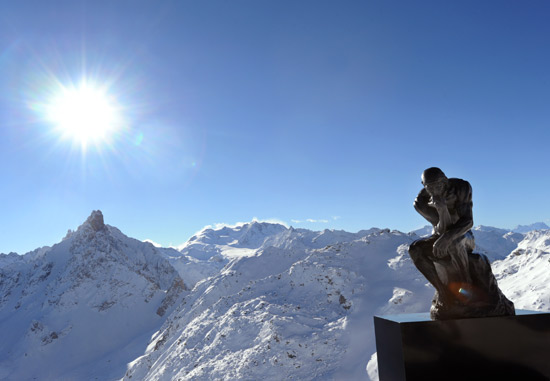
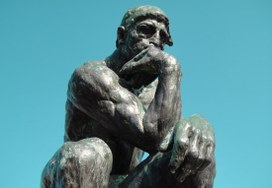 Es empfehle sich eine andere Intellektuellen-Definition zu Rate zu ziehen. Der Intellektuellen-Begriff Antonio Gramscis abstrahiert von der Frage der richtigen Moral – anders als Gumbrecht jedoch keineswegs von der gesellschaftlichen Verortung. Organische Intellektuelle sind bei Gramsci, anders als ihre traditionellen Vorgänger, diejenigen, die jede Klasse oder Bewegung braucht, um die kulturelle Deutungsmacht zu erlangen. Entweder als, so Gramsci, „Angestellte der herrschende Klassen und der politischen Herrschaft“, oder eben auch als Vordenker der Opposition.